EPOXY SHEETS
Epoxy sheets are composite materials made by layering fiberglass cloth and epoxy resin, then curing them under heat and pressure. This process creates a strong, rigid material with excellent electrical insulation, mechanical strength, and resistance to heat and chemicals. They are widely used in various industries, including electronics, electrical equipment, and aerospace.
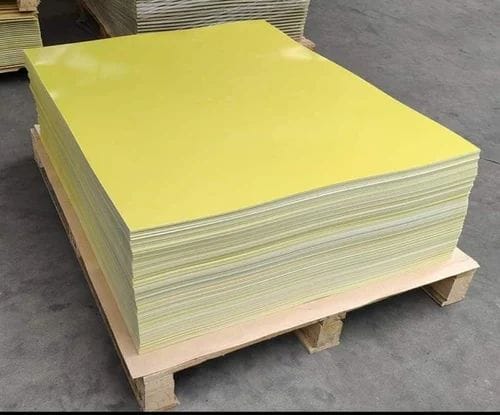
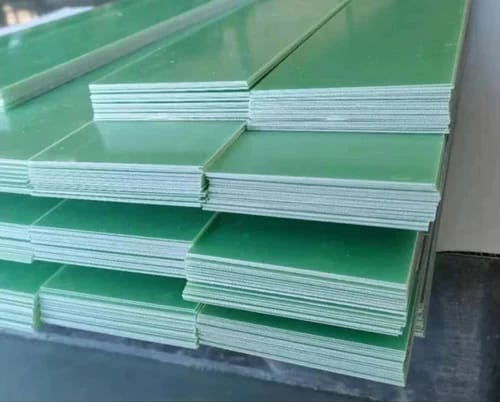
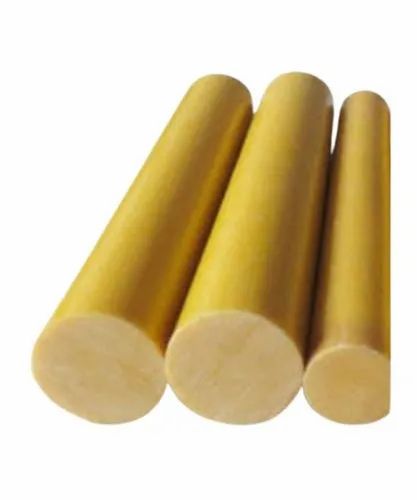
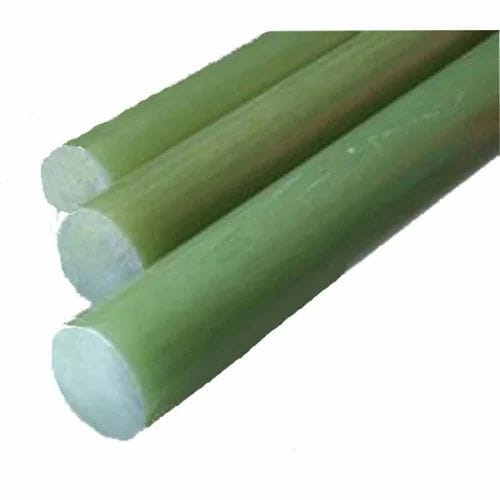
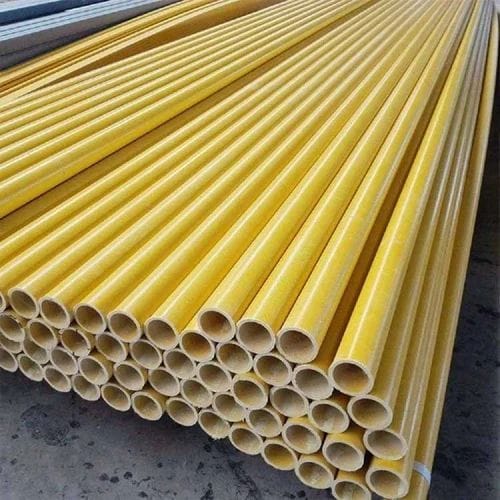
One of the key advantages of epoxy sheets is their high dielectric strength, which ensures reliable performance in high-voltage environments. They also retain their strength and insulating capabilities under harsh conditions, including elevated temperatures and humid environments. Epoxy sheets are available in various grades, such as G10 and FR4, with FR4 offering enhanced flame retardant properties. Their machinability and rigidity make them a preferred choice for precision parts in the aerospace, defense, automotive, and power industries, where long-term reliability and resistance to degradation are critical.
KEY CHARACTERISTICS OF EPOXY SHEETS
1. Mechanical Strength:
Epoxy sheets are known for their high strength-to-weight ratio, making them suitable for structural applications.
2. Electrical Insulation:
They are excellent insulators, preventing electrical current flow and protecting against short circuits.
3. Thermal Resistance:
Epoxy sheets can withstand high temperatures and thermal stress, making them useful in applications like automotive and aerospace.
4. Chemical Resistance:
They are resistant to many chemicals, making them suitable for harsh environments.
5. Durability:
They are resistant to wear, tear, and moisture, contributing to their longevity in various applications.
COMMON TYPES OF EPOXY SHEETS
1. FR-4:
A common type of epoxy sheet, often used in printed circuit boards (PCBs) for its flame retardant properties and electrical insulation.
2. G-10:
Another type known for its high strength, low moisture absorption, and chemical resistance.
USES OF EPOXY SHEETS
1. PCBs:
Epoxy sheets are the foundation for printed circuit boards, providing electrical insulation and mechanical support.
2. Electrical Equipment:
Used in switchgear, insulators, and other components for electrical insulation and safety.
3. Aerospace and Automotive:
Epoxy sheets are used in structural components and electrical systems due to their strength and resistance to extreme conditions.
3. Automotive:
Frequently used in electrical and automotive applications, including battery insulation and powertrain components.


